The Federal Government has directed that all outstanding two-month wage awards owed to federal civil servants be paid on or before August 15, 2026, following a crucial meeting with organised labour that successfully averted a nationwide industrial confrontation.
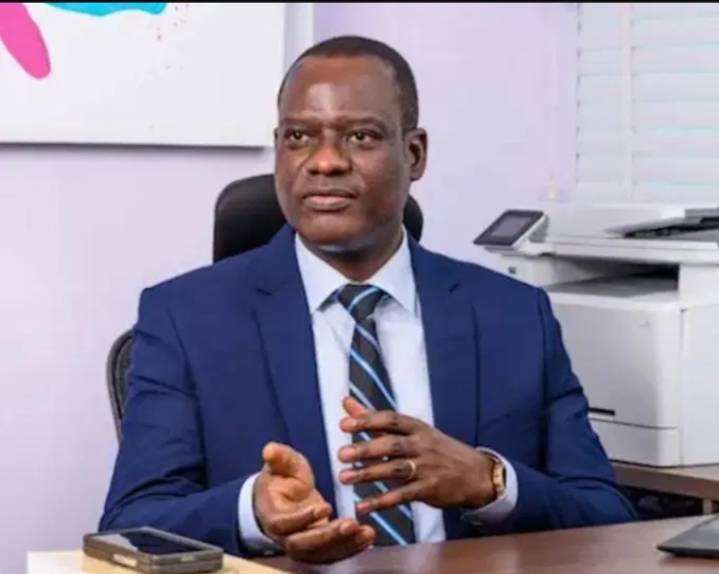
The resolution was reached after a high-level meeting held on Wednesday, August 5, 2026, between the Minister of Finance and Coordinating Minister of the Economy, Mr. Taiwo Oyedele, and leaders of the Joint National Public Service Negotiating Council (JNPSNC).
The agreement led to the suspension of an earlier ultimatum issued by the workers’ representatives, preventing what could have become a major labour showdown over unpaid wage awards and other outstanding welfare issues affecting federal employees.
The latest development offers relief to thousands of federal civil servants who have been waiting for payment of the remaining two months of the wage award introduced by the Federal Government to cushion the effects of economic reforms and the rising cost of living.
Following extensive discussions, both parties agreed that the outstanding wage awards would be paid on or before August 15, 2026.
The meeting was personally chaired by Finance Minister, Taiwo Oyedele, and attended by senior officials of the Ministry of Finance, including the Permanent Secretary (Accounts), the Permanent Secretary (Special Duties), the Minister’s Chief of Staff, directors and other top government officials.
Government representatives assured labour leaders that necessary steps had already been taken to ensure the payments are processed within the agreed timeframe.
The labour delegation was led by Comrade Kabiru Ado, National President of the Medical and Health Workers Union of Nigeria (MHWUN) and National Deputy President of the Nigeria Labour Congress (NLC), representing the National Chairman of the JNPSNC.
Also present were the National Secretary of the Council and General Secretary of the Nigeria Civil Service Union (NCSU), Comrade Olowoyo Gbenga, the National Assistant Secretary of the JNPSNC and General Secretary of MHWUN, Comrade Kiyawa, alongside other labour leaders.
Following the meeting, the JNPSNC announced the suspension of its August 11 ultimatum, effectively halting plans for industrial action against the Ministry of Finance.
The meeting also addressed the long-awaited 40 per cent peculiar allowance being demanded by federal workers.
The Federal Government assured labour leaders that payment of the allowance would be accommodated through a supplementary budget. The Ministry of Finance will work with the Budget Office to secure the required funding before implementation.
In addition, discussions covered the issue of unpaid promotion arrears. Government officials informed labour representatives that payment processes relating to batches seven and nine had been resolved, paving the way for affected workers to receive their outstanding entitlements.
Speaking during the meeting, Finance Minister, Taiwo Oyedele stressed the importance of continuous engagement between Government and organised labour, saying regular dialogue would strengthen industrial harmony and ensure workers’ welfare concerns are addressed promptly.
He reaffirmed the Federal Government’s commitment to maintaining cordial relations with labour unions while improving conditions for public servants through sustained negotiations.
Speaking on behalf of organised labour, Comrade Kabiru Ado assured the Minister that the JNPSNC remained committed to protecting the welfare and interests of federal workers.
Meanwhile, National Secretary of the JNPSNC, Comrade Olowoyo Gbenga, explained that the union leadership intervened to prevent a major industrial crisis that could have embarrassed the Federal Government.
He disclosed that many workers had become frustrated over delayed responses to several letters sent to the Ministry of Finance, adding that employees were already prepared to protest at the Ministry before the emergency meeting was convened.
According to him, the ultimatum became necessary because repeated correspondence from organised labour failed to receive timely attention from the Ministry.
Gbenga urged Government Ministries, Departments and Agencies to improve communication with labour unions and faithfully implement agreements reached with workers to prevent future disputes.
Although the August 11 ultimatum has now been suspended, organised labour warned that it would closely monitor the implementation of every agreement reached during the meeting.
The Council cautioned that failure to pay the outstanding wage awards by August 15 could trigger fresh industrial action without another ultimatum.
For now, the successful negotiations have eased tensions between the Federal Government and organised labour, while thousands of federal civil servants await payment of their outstanding wage awards within the agreed deadline.
If the Government fulfils its commitment, the agreement is expected to restore confidence between both parties and create room for further discussions on unresolved welfare issues, including the implementation of the 40 per cent peculiar allowance and payment of outstanding promotion arrears.