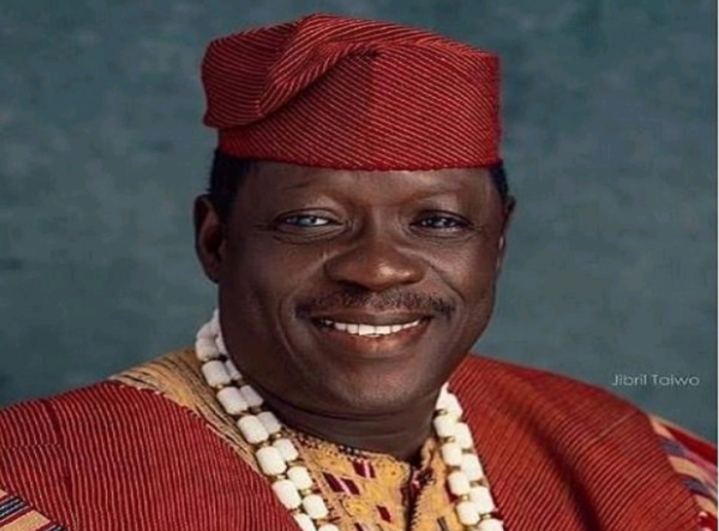
The family of veteran Nollywood actor and filmmaker, Taiwo Hassan, popularly known as Ogogo, has held an eighth-day Fidau prayer in his hometown of Ilaro, Ogun State, as relatives, friends and colleagues gathered to pray for the repose of his soul.
The Islamic prayer session took place on Monday, August 31, 2026, bringing together members of Ogogo’s family and prominent figures from the Yoruba film industry who came to honour the late actor and support his loved ones during the period of mourning.
Videos from the ceremony showed guests arriving in large numbers at the venue in Ilaro. Among the Nollywood personalities reported to have attended were veteran actors, Yinka Quadri and Jide Kosoko, actress, Faithia Balogun, as well as other colleagues and associates of the deceased. Ogogo’s daughters, Kira and Lima Taiwo, were also seen at the gathering.
The Fidau prayer forms part of the remaining programmes announced by the family following Ogogo’s burial last week. The family had earlier disclosed that the eighth-day prayer would take place on August 31 in Ilaro, with an appeal to the actor’s friends, colleagues, fans and well-wishers to join them in praying for the deceased.
The announcement was made on behalf of the family by veteran actor, Jide Kosoko in a statement released on Wednesday, August 26. Kosoko also expressed the family’s appreciation to those who attended Ogogo’s burial and supported them following his death.
Ogogo died on Sunday, August 23, 2026, at the age of 66. His death followed a battle with stage-four cancer, which his family had disclosed publicly shortly before his passing.
His daughter, Kira Hassan, confirmed the death during an emotional Instagram Live session. She struggled to contain her emotions while announcing that her father had died and appealed for assistance to enable her to return home and join other members of the family for his burial.
The actor’s death came just days after his daughters had revealed that he was battling advanced cancer and sought assistance as the family explored treatment options. His condition had generated concern among fans and colleagues before the news of his death was confirmed.
Ogogo was buried on Monday, August 24, in Ilaro, his hometown, in accordance with Islamic rites. The burial attracted a large gathering of family members, residents, friends and leading figures in the Nigerian entertainment industry.
The funeral prayers were held at the Asade Agunloye Pavilion Ground in Ilaro, with the actor’s remains subsequently laid to rest. Several prominent Yoruba movie stars, including Yinka Quadri, Jide Kosoko, Mr. Latin, Femi Adebayo, Faithia Balogun and other industry colleagues, attended the burial to pay their final respects.
Ogogo’s burial came only a day after his death, reflecting the Islamic burial tradition followed by the family. His remains were moved to Ilaro after his death in Lagos, ahead of the funeral prayers and interment.
The actor’s passing has continued to generate tributes across Nigeria’s entertainment industry, particularly within the Yoruba-language film community, where he was regarded as one of the prominent figures of his generation.
His career spanned more than four decades, during which he worked across several aspects of the entertainment industry. Beyond acting, Ogogo was known as a filmmaker, producer, director and screenwriter, establishing himself as a respected figure in Yoruba cinema.
His contributions extended beyond appearing in movies. Over the years, he became part of the generation of practitioners who helped build and sustain Yoruba-language theatre and film, earning recognition from colleagues and audiences for his longevity and versatility.
In a profile published following his death, it was noted that Hassan remained a prominent figure in Yoruba-language movies for more than four decades and became one of the industry’s recognisable faces.
His influence was also reflected in the reaction to his death, with colleagues describing the loss as significant to the Yoruba film industry and Nigerian creative sector. The Lagos State Ministry of Tourism, Arts and Culture, for instance, described him as a custodian of culture, storyteller and ambassador of Yoruba heritage, while mourning his contribution to Nigerian entertainment.
At the August 31 Fidau, the atmosphere remained one of grief and remembrance as colleagues who had worked closely with Ogogo returned to Ilaro to stand with his family.
One of the most emotional moments reportedly came when Yinka Quadri, Ogogo’s longtime friend and colleague, became overwhelmed while speaking during the ceremony. Quadri was delivering a message to the bereaved family when his voice reportedly broke, prompting colleagues to surround him and assist him away from the stage.
Quadri had earlier spoken emotionally about his relationship with Ogogo, recalling their longstanding friendship and describing the late actor as a close friend and brother.
The Fidau is not, however, the final programme planned in honour of the late actor.
According to the family’s announcement, an Artistes’ Day will also be held 40 days after Ogogo’s burial at the Pavilion Hall in Ilaro. The event is expected to bring together members of the creative industry for a special celebration of his life, career and contributions to entertainment.
The programme is expected to feature performances from entertainers across the industry, including actors, musicians, comedians and singers. The family said the event would provide another opportunity for members of the entertainment community to celebrate the legacy of the late Yoruba cinema veteran.
For Ogogo’s family, the ongoing burial programmes provide an opportunity to formally conclude the rites surrounding his death while allowing those who knew and worked with him to mourn, remember and celebrate his life.
For the Yoruba film industry, his death represents the loss of a veteran whose career stretched across generations. As colleagues continue to gather in Ilaro, tributes to Taiwo Hassan “Ogogo” are expected to continue, with his work and influence remaining part of the history of Yoruba cinema.