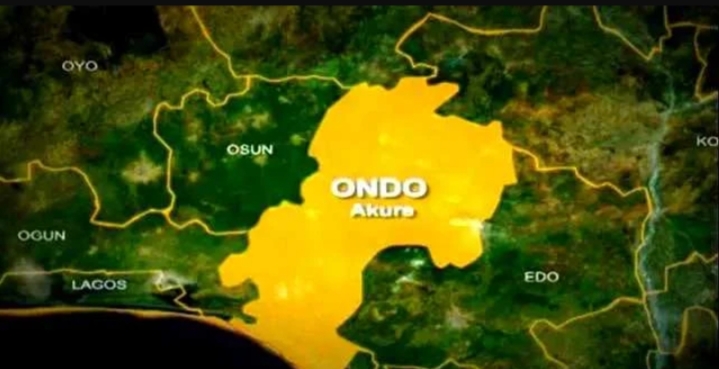
The 18 local government areas in Ondo State have commenced a monthly welfare payment of ₦20,000 to at least 5,400 residents aged 70 and above, as part of efforts to improve the welfare of vulnerable citizens across the State.
The Commissioner for Local Government and Chieftaincy Affairs, Amidu Takuro, disclosed the development in Akure, the Ondo State capital, on Monday.
Under the programme, each of the 18 local government councils is supporting a minimum of 300 elderly residents with the monthly stipend. Based on the current structure of the initiative, the programme has a minimum beneficiary base of 5,400 senior citizens across the State.
Takuro explained that the intervention was designed to provide direct assistance to elderly residents who may face financial difficulties and other challenges associated with old age.
He said the local governments had been directed to identify vulnerable senior citizens within their respective jurisdictions and provide them with regular financial support.
According to the Commissioner, the councils were not only implementing the monthly payments but were also considering increasing the number of people covered by the programme as resources and implementation arrangements improve.
The initiative represents one of several welfare and economic interventions being pursued by the local governments to provide support to different categories of residents.
Takuro said the councils were also implementing empowerment programmes targeting young people and women, with the objective of helping beneficiaries improve their economic circumstances and become more financially independent.
He explained that the youth empowerment component was being implemented on a regular basis, with local government authorities identifying young people considered capable of making productive use of the assistance provided.
The Commissioner also highlighted the importance of women-focused interventions, noting that women play significant roles in supporting households and contributing to community development.
He said the local councils were therefore giving attention to programmes that could strengthen the economic capacity of women and enable them to contribute more effectively to their families and communities.
The elderly payment scheme is coming against the background of wider efforts by the Ondo State Government and its local councils to address the welfare needs of senior citizens and other vulnerable groups.
The State has also previously taken steps to address the financial concerns of retired local government workers and primary school teachers. In October 2025, the State Government commenced payment of ₦1.6bn in outstanding gratuities to retired local government employees and primary school teachers. At the time, Takuro also disclosed that the local governments were providing at least ₦20,000 monthly to a minimum of 300 elderly residents in each of the 18 councils.
Beyond direct welfare payments, the commissioner said the local governments were expanding their support for agriculture, particularly through the provision of farm inputs to residents engaged in agricultural production.
He listed cocoa and palm seedlings as well as fertilisers among the inputs being made available to farmers.
Takuro said the councils were working towards a more coordinated approach to agricultural intervention so that farmers in different parts of the State could receive support based on their specific needs.
According to him, discussions were ongoing among the local government authorities on how to harmonise the distribution of agricultural inputs across the State.
The Commissioner explained that while there would be a common framework for the agricultural support programme, individual councils would still have the opportunity to determine the needs of farmers in their respective areas.
He said the authorities were particularly interested in establishing a system that would make it possible to determine the appropriate quantity and type of inputs required by farmers in each local government.
The approach, he noted, would help prevent duplication and ensure that agricultural assistance was better coordinated across the 18 councils.
The interventions are part of a broader push to improve livelihoods at the grassroots level by combining direct welfare assistance with programmes designed to support economic activity.
For elderly residents, the monthly ₦20,000 payment provides direct financial assistance to people who may have limited opportunities to earn income because of their age. The programme also places the local governments directly in the process of supporting vulnerable citizens within their communities.
With each of the 18 local government areas currently covering at least 300 elderly residents, the scheme has a minimum monthly financial commitment of ₦108m if all 5,400 beneficiaries receive the full ₦20,000 stipend. That translates to at least ₦1.296bn annually, assuming the current beneficiary figure and payment continue unchanged for 12 months.
The Commissioner, however, indicated that the programme could expand, suggesting that the number of elderly beneficiaries may rise as the initiative progresses.
The local government authorities are also expected to continue identifying areas where residents require assistance, particularly among young people, women, farmers and other vulnerable groups.
Takuro said the various programmes were being pursued as part of the councils’ responsibility to improve living conditions and strengthen economic opportunities at the grassroots.
He maintained that the interventions were intended not merely as welfare measures but also as part of a broader strategy to improve productivity and provide support to residents who require assistance.
The combination of elderly stipends, youth and women empowerment programmes and agricultural support means that the local governments are focusing on several categories of residents simultaneously.
For the elderly, the immediate priority is regular financial assistance. For young people and women, the emphasis is on empowerment and economic participation, while farmers are being supported with inputs aimed at improving agricultural production.
The Commissioner said the local governments would continue to work together to strengthen the programmes and ensure that interventions reach the intended beneficiaries.
As implementation continues across the 18 local government areas, the planned expansion of the elderly welfare scheme could potentially increase the number of senior citizens benefiting from the monthly payment.
For now, the programme covers a minimum of 5,400 residents aged 70 and above, with each beneficiary receiving ₦20,000 every month under the initiative.