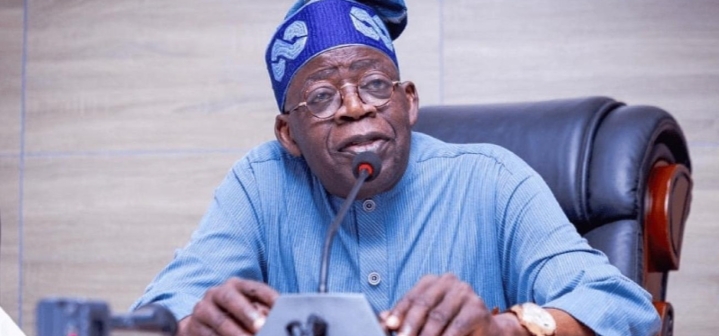
A Yoruba socio-cultural organisation, Ìgbìnmó Májékóbájé Ilé-Yorùbá, has called on Nigerians to reject President Bola Ahmed Tinubu at the 2027 general election, accusing his administration of failing to tackle the country’s worsening economic and security challenges.
The group said millions of Nigerians are battling soaring living costs, insecurity and poverty despite repeated assurances from the Federal Government that its economic reforms are beginning to produce positive results. It argued that the hardship experienced by ordinary citizens has reached an alarming level and urged voters to use the ballot in 2027 to demand a change in leadership.
The position of the organisation was contained in a statement issued on Sunday, August 2, 2026, by its Convener, Olusola Badero, and made public through its Home Director, Princess Balogun.
According to the group, the country is facing one of its most difficult periods in recent history, with insecurity, inflation and poverty combining to place enormous pressure on households across Nigeria.
The organisation alleged that many Nigerians have been pushed into extreme hardship, insisting that countless families can no longer meet basic needs because of the prevailing economic situation.
It further claimed that several victims of kidnapping remain in captivity across different parts of the country while many communities continue to grapple with violent attacks from criminal groups.
The statement maintained that Nigerians deserve leadership that responds directly to the realities confronting citizens instead of dismissing public concerns.
The Yoruba Union said the administration has continued to defend its policies despite widespread complaints from citizens over the rising cost of food, transportation, healthcare and other essential services.
The group stated that it shares concerns earlier raised by Archbishop Emeritus of the Catholic Archdiocese of Abuja, John Cardinal Onaiyekan, and other Catholic bishops, who recently expressed worries over worsening insecurity and the economic burden facing Nigerians.
According to the organisation, rather than accepting the criticisms and taking corrective measures, the Federal Government has continued to insist that its reforms are yielding positive outcomes.
“The country is truly bleeding, but the realities confronting Nigerians are not receiving the attention they deserve,” the group said.
It also pointed to the security situation in Kaiama Local Government Area of Kwara State, alleging that scores of women and children abducted since February are still being held by kidnappers while many residents have reportedly lost their lives in violent attacks.
The organisation argued that such incidents reflect the scale of insecurity confronting many parts of Nigeria despite repeated assurances by Government officials that security operations are improving.
The group also linked the country’s worsening economic conditions to increasing criminal activities, claiming that many people have resorted to desperate measures in order to survive.
According to the statement, widespread unemployment, inflation and declining purchasing power have made life increasingly difficult for millions of Nigerians.
The organisation further alleged that political office holders are disconnected from the everyday realities faced by ordinary citizens because they continue to enjoy the privileges associated with public office.
It argued that many Government officials and their families have access to better healthcare, education, transportation and other social amenities, making it difficult for them to fully appreciate the suffering experienced by average Nigerians.
The group claimed that hunger, poverty and the inability to afford medical treatment have become major challenges for many households across the country.
On security, the Yoruba Union accused the Federal Government of failing to effectively address killings, kidnappings and attacks affecting different parts of the country.
It alleged that incidents involving attacks on communities, students and even security personnel demonstrate the urgent need for stronger action against insecurity.
According to the organisation, the current security situation should become an important consideration for Nigerians ahead of the 2027 general election.
The statement also highlighted the experiences of some Nigerians in the diaspora who returned home to establish businesses after being encouraged to invest in the country.
The group claimed that many of those investors secured loans overseas to finance businesses in Nigeria but later encountered multiple taxation, regulatory difficulties and challenges that negatively affected their investments.
It argued that such experiences discourage foreign-based Nigerians from contributing to national economic development and job creation.
The organisation further criticised the conduct of some security agencies, alleging that institutions expected to protect citizens are instead being used to intimidate critics and suppress dissent.
According to the group, agencies including the Department of State Services and the Nigeria Police Force should remain committed to protecting lives, property and the constitutional rights of Nigerians.
It alleged that some citizens demanding accountability and improved governance have faced arrests, detention and other forms of intimidation.
Describing the country’s current situation as deeply concerning, the organisation urged Nigerians to become more involved in the democratic process ahead of the next general election.
It called on citizens to support leaders whom they believe possess the integrity, competence and commitment needed to strengthen public institutions, improve governance and restore confidence in the nation’s future.
The statement concluded by urging Nigerians to unite across ethnic, religious and political divides to pursue accountable leadership capable of addressing insecurity, reviving the economy and rebuilding public trust in Government.
The Presidency has repeatedly defended the Tinubu administration’s reforms, maintaining that difficult economic measures introduced since 2023 are necessary to stabilise Nigeria’s economy and deliver long-term growth. Government officials have consistently argued that the policies are beginning to produce positive results, even as opposition groups and several civil society organisations continue to express concerns over their immediate impact on citizens.