The Federal Government has announced plans to begin phasing out electricity subsidy payments from 2027 as part of efforts to tackle the mounting debt burden in Nigeria’s power sector.
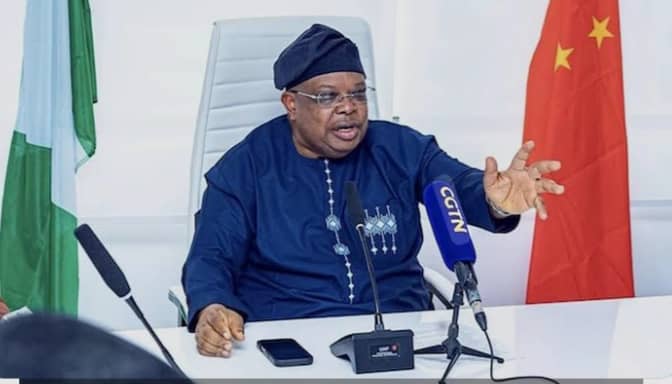
Minister of Power, Chief Joseph Olasunkanmi Tegbe, disclosed the plan during a media interactive session on Friday, saying the Government intends to gradually wind down the subsidy regime without taking away the benefits currently enjoyed by Nigerians.
The Minister explained that the decision forms part of broader reforms aimed at restoring financial sustainability to the country’s electricity industry, which has struggled for years with huge subsidy obligations and debts owed to power generation and distribution companies.
According to him, the subsidy will not be removed abruptly. Instead, the Federal Government will implement a phased approach from 2027 to minimise the impact on electricity consumers while ensuring the sector becomes more financially viable.
Tegbe stressed that there are no immediate plans to increase electricity tariffs, assuring Nigerians that the Government is focused on improving power supply and service delivery before making any major pricing adjustments.
He said the current priority is to address the financial challenges facing the power sector, including the growing debt profile, while protecting consumers from sudden shocks.
The Minister noted that the Government remains committed to reforms capable of attracting more private investment into electricity generation, transmission and distribution, adding that a financially healthy power sector is critical to delivering reliable electricity across the country.
Nigeria’s electricity market has continued to grapple with liquidity challenges for years, with subsidy payments rising as the Government bridges the gap between the actual cost of supplying electricity and the tariffs paid by consumers. Industry stakeholders have repeatedly warned that the growing debt owed to operators threatens investment, maintenance and expansion across the value chain.
The planned subsidy phase-out is expected to be implemented alongside wider reforms under the Electricity Act 2023, which seeks to strengthen the power sector, encourage investment and improve electricity access across the country.
Despite the planned transition, Tegbe maintained that Nigerians should not expect an immediate tariff review, insisting the Government’s objective is to gradually build a more sustainable electricity market while safeguarding consumers during the reform process.