Katsina Govt Recruits Over 9,000 Teachers To Tackle Out-of-School Children Crisis
NIGERIA | NATIONAL
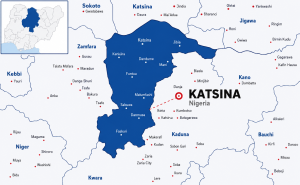
The Katsina State Government has intensified efforts to improve access to education by recruiting more than 9,000 teachers since the current administration assumed office, as part of a broader strategy to reduce the number of out-of-school children and improve learning standards across the state.
The initiative comes amid growing concern over the high number of children who remain outside the formal education system, particularly in northern Nigeria, where poverty, insecurity and social challenges continue to affect school attendance.
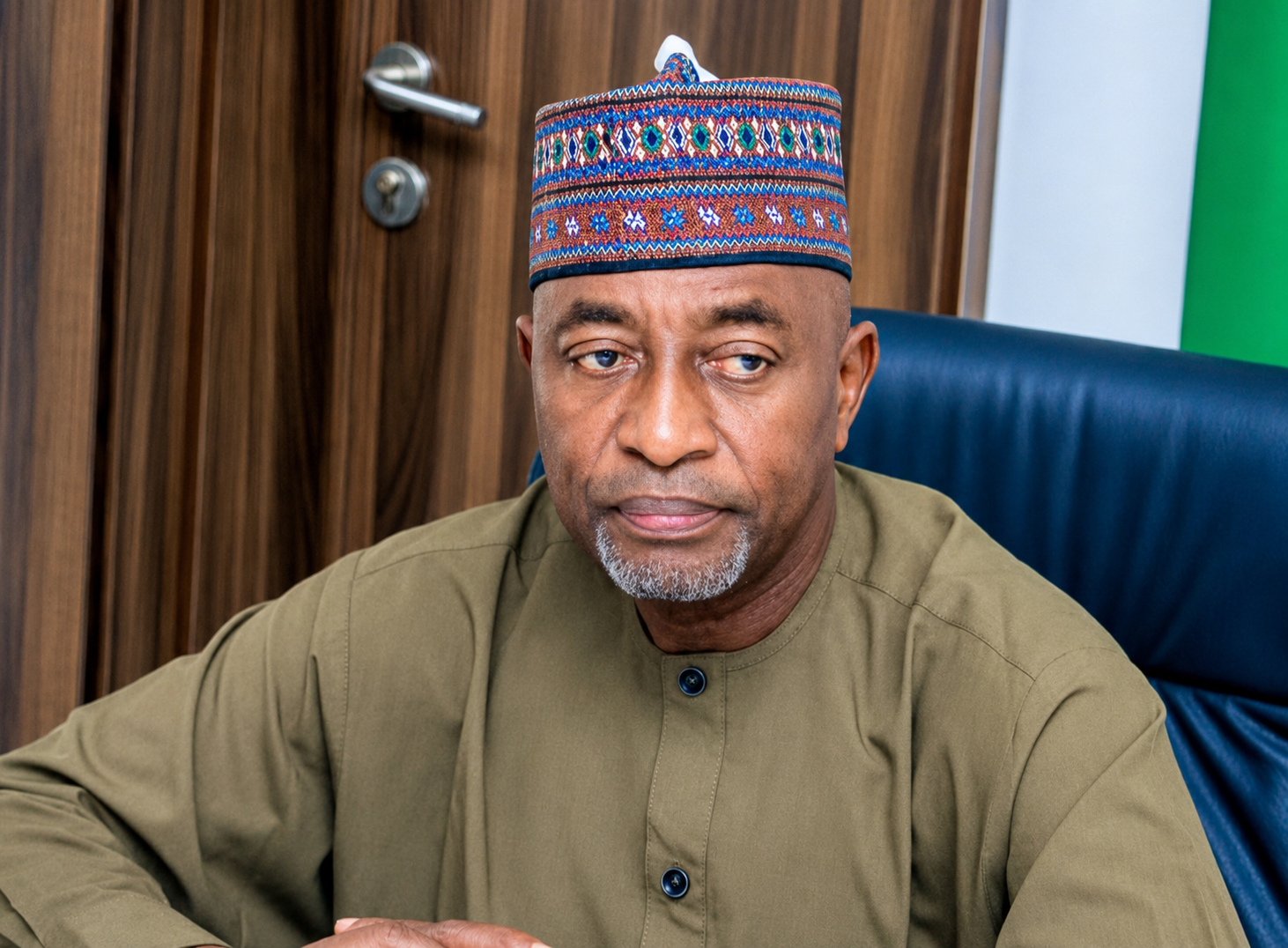
Speaking during an interview on Friday, the Commissioner for Basic and Secondary Education, Yusuf Jibia, said the government is implementing a combination of educational reforms, security measures and social interventions designed to encourage more children to return to school.
According to him, the challenge of out-of-school children is closely linked to multidimensional poverty, making it a complex issue that requires solutions beyond the classroom.
“Multidimensional poverty is one of the major factors driving the out-of-school children crisis,” Jibia said, noting that the problem affects not only Katsina State but also other parts of the North-West and several African countries.
To address the situation, the state government has inaugurated a committee tasked with exploring ways to integrate informal education into the formal school system. The initiative is expected to provide educational opportunities for children who are currently outside conventional schools and create pathways for them to receive structured learning.
Officials believe the move will help reduce the number of children roaming the streets while improving access to quality education across communities.
Beyond expanding access to education, the government says it has also prioritised school safety by adopting the National Policy on Safe Schools and putting new security measures in place.
Under the programme, boarding schools and other educational institutions have received increased security presence through the deployment of Mobile Police officers, members of the Katsina State Community Watch Corps and local vigilante groups.
Jibia explained that each school now has between six and ten Community Watch Corps personnel working alongside security agencies to safeguard students, teachers and school facilities.
The commissioner added that school security committees have also been established across the state to improve surveillance and ensure emerging threats are reported promptly.
According to him, the committees include school principals, security officials, traditional rulers, religious leaders and other community representatives who work together to strengthen the safety of learning environments.
The government’s investment in education has also focused heavily on expanding the teaching workforce.
Jibia disclosed that shortly after the administration took office, 7,000 teachers were recruited to address shortages in public schools. The government later approved the automatic employment of first-class graduates from universities and other higher institutions into the education sector to attract highly qualified professionals into classrooms.
More recently, another 2,158 teachers were employed and deployed to primary and secondary schools across the state, bringing the total number of new recruits to more than 9,000.
The recruitment exercise is expected to ease pressure on existing teachers, reduce overcrowded classrooms and improve the quality of instruction available to pupils across Katsina.
Jibia credited Governor Dikko Radda’s administration for placing education among its top priorities, describing the investments as critical steps toward rebuilding the state’s education system.
“More than 9,000 teachers have been recruited since this administration came into office,” the commissioner said while highlighting the government’s commitment to strengthening public education.
He also appealed to teachers to reciprocate the government’s investment through professionalism, commitment and dedication to their responsibilities.
To ensure that the recruitment drive translates into improved learning outcomes, the Ministry of Basic and Secondary Education is strengthening its quality assurance system.
The enhanced monitoring framework is expected to ensure that teachers remain at their duty posts, deliver lessons effectively and maintain high professional standards in schools across the state.
Education stakeholders have consistently argued that increasing teacher numbers, improving school safety and tackling poverty simultaneously are essential to reducing the number of out-of-school children and raising educational standards.
With thousands of additional teachers now deployed and reforms underway, the Katsina State Government hopes the combined measures will encourage greater school enrolment, improve classroom learning and restore confidence in the public education system while giving more children access to quality education.