Burnham Sends STRONG Message To Trump, Rules Out Early U.K. Election
British Prime Minister, Andy Burnham, has said he would not hesitate to publicly disagree with U.S. President, Donald Trump, if doing so became necessary to protect Britain’s national interests.
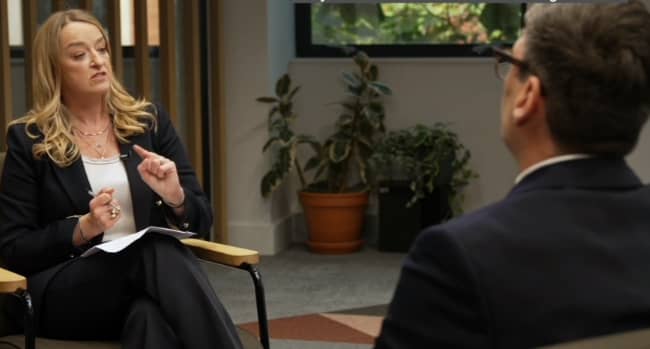
In his first major interview since becoming Prime Minister, Burnham told the BBC that although his initial interaction with Trump had been positive, he would not make any promises about always agreeing with the U.S. President.
Burnham, who spoke exclusively to Laura Kuenssberg, said the changing global situation meant he would have to respond to events as they unfolded.
“I can’t at any point say that I won’t take a different opinion from him [Trump], that I will need to voice a different idea that is right for Britain,” he said.
Burnham Vows to Defend UK National Interest Against Trump
Asked whether he would call out Trump if he believed it was the right thing to do, Burnham replied, “of course”.
“You have to defend your own national interest before anything else. That’s what you’re required to do if you’re to do this job properly,” he said.
Burnham also disclosed that he had concerns about Trump starting the conflict with Iran, adding that he “wouldn’t hold back from saying what I think is right”.
The Prime Minister said his focus remained on staying connected to the public, insisting that his closeness to ordinary people would not change now that he was in office.
Meanwhile, Shadow Home Secretary, Chris Philp, said the United States remained a long-standing ally of Britain, but agreed that the U.K. should be honest when it disagreed with Washington.
“Clearly, the U.S. is a long standing ally. We need to have good relations with them but if they do something we disagree with, we should honestly say so,” Philp said.
Defence Spending and Early Election Ruled Out
Burnham also refused to commit to a specific date for increasing defence spending to 3% of GDP.
His Chancellor, John Healey, had resigned from the previous government, arguing that Britain would not be safe unless a commitment was made to reach the target by 2030.
Burnham said he had appointed his new chancellor with full knowledge of his position on the importance of defence spending.
“The first challenge facing us both is to ensure that the defence investment plan is fully funded and that’s the thing that’s right in front of us and we need to work that through as we go towards the budget later this year,” he said.
Asked again when the government would meet the 3% target, Burnham said, “We’ve got to work out the way of doing that.”
The Prime Minister also ruled out the possibility of an early general election before 2029, saying he did not believe the public wanted one.
“I’m going to rule it out… I don’t think people want it,” he said, adding that his priority was to focus on “getting the country back where it should be”.
Philp, however, said the Conservatives were prepared to contest an election whenever it was held, claiming that the Party was “back in business” and that opinion polls showed it was almost neck and neck with other parties.
The full interview, Andy Burnham: The Laura Kuenssberg Interview, is scheduled to air on BBC One on Monday at 20:00 BST and will also be available on iPlayer from 06:00.
For more on UK-US relations, see BBC News.