Tag: Donald Trump

  • U.S. Strikes Iran Drone Site Near Bandar Abbas

    Site logo pixel pulse media
    IMG-20260528-WA0052

    U.S. Launches Second Strike on Iran in 3 Days, Targets Bandar Abbas Site Near Strait of Hormuz

    By Atinuke Otedola and her Editorial Team

    U.S. Hits Iranian Site Near Strait of Hormuz in Second Strike

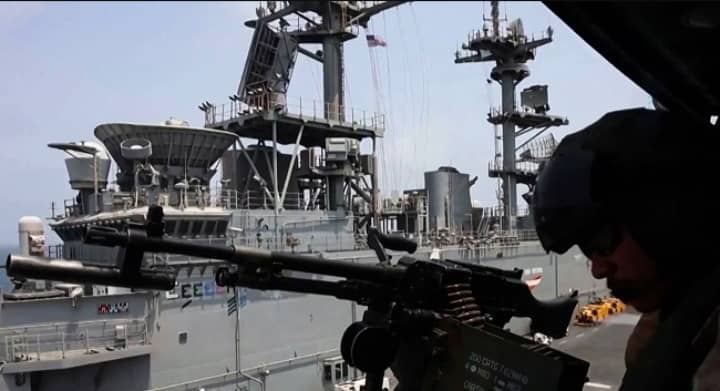
    U.S. forces carried out another round of military strikes on Iran on Thursday, May 28, 2026, hitting a strategic site in the southern port city of Bandar Abbas. The operation marks the second such strike in three days and comes as tensions remain high despite a fragile ceasefire between Washington and Tehran.

    According to U.S. Central Command, the target was a military facility preparing to launch a drone attack near the Strait of Hormuz. Centcom said American forces also intercepted and destroyed four Iranian one-way attack drones deemed an immediate threat to international shipping lanes. Officials stated the Bandar Abbas site was struck moments before it could deploy a fifth drone. Iranian state-linked media reported explosions in the eastern part of the city shortly after the incident.

    IMG-20260528-WA0049

    Centcom described the operation as “measured, purely defensive, and intended to maintain the ceasefire,” insisting the strikes were carried out strictly in self-defence. This follows U.S. attacks on Monday, May 25, 2026, which targeted Iranian missile installations and naval units accused of attempting to deploy mines in the Strait.

    Iran strongly condemned the latest strikes, calling them a “grave violation of the ceasefire” and warning it would not leave any act of aggression unanswered. The confrontation has further strained fragile diplomatic efforts between both nations.

    Tensions have widened beyond Iran, with Kuwait reporting that its air defence systems intercepted “hostile missile and drone threats” on Thursday. Details from Kuwaiti officials remain limited.

    Alongside military action, Washington intensified economic pressure. The U.S. Treasury imposed new sanctions on the so-called “Persian Gulf Strait Authority,” an Iranian body managing shipping payments through the Strait of Hormuz. Officials warned that any vessel dealing with the agency could face punitive measures.

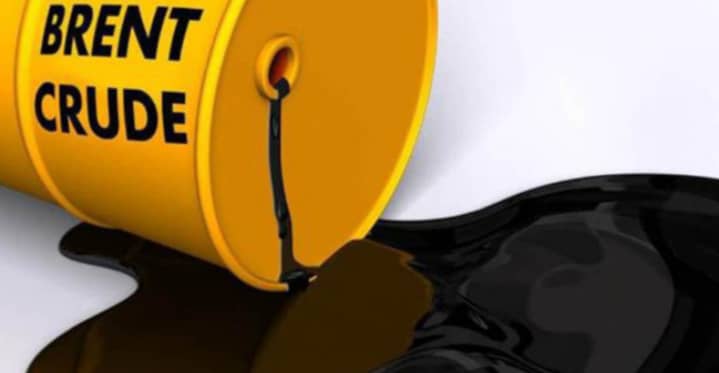
    The Strait of Hormuz remains critical to global trade, with nearly one-fifth of the world’s oil and liquefied natural gas passing through it. Disruptions have already sent shockwaves through energy markets.

    Iranian officials insist the fees collected are legitimate charges for maritime services. U.S. Treasury Secretary Scott Bessent accused Tehran of attempting to “extort global maritime trade.”

    IMG-20260528-WA0050

    The crisis has unfolded alongside conflicting signals from Washington. U.S. President Donald Trump has alternated between warning of renewed large-scale military action and suggesting a deal with Iran is still possible, though he admitted the U.S. is “not satisfied” with the current state of negotiations.

    Despite reports of progress in recent diplomatic discussions, both sides acknowledge no final agreement has been reached. The White House has dismissed Iranian claims of a near-final draft deal as “a complete fabrication.”

    As military activity continues and diplomacy stalls, fears are growing that the fragile ceasefire could collapse entirely, potentially dragging the region into a wider conflict with global economic consequences.

  • US-Nigeria Joint Strike Kills Top ISWAP Commander in Lake Chad

    PIXEL PUlSE MEDIA Logo
    WA_1778924085757

    US-Nigeria Joint Strike in Lake Chad Kills Top ISWAP Commander, Signals Deeper Security Partnership

    ABUJA, NIGERIA — Nigeria and the United States carried out a coordinated operation in the Lake Chad Basin that eliminated a senior Islamic State West Africa Province commander and several of his lieutenants, marking one of the most significant joint counterterrorism actions between both countries in recent years.

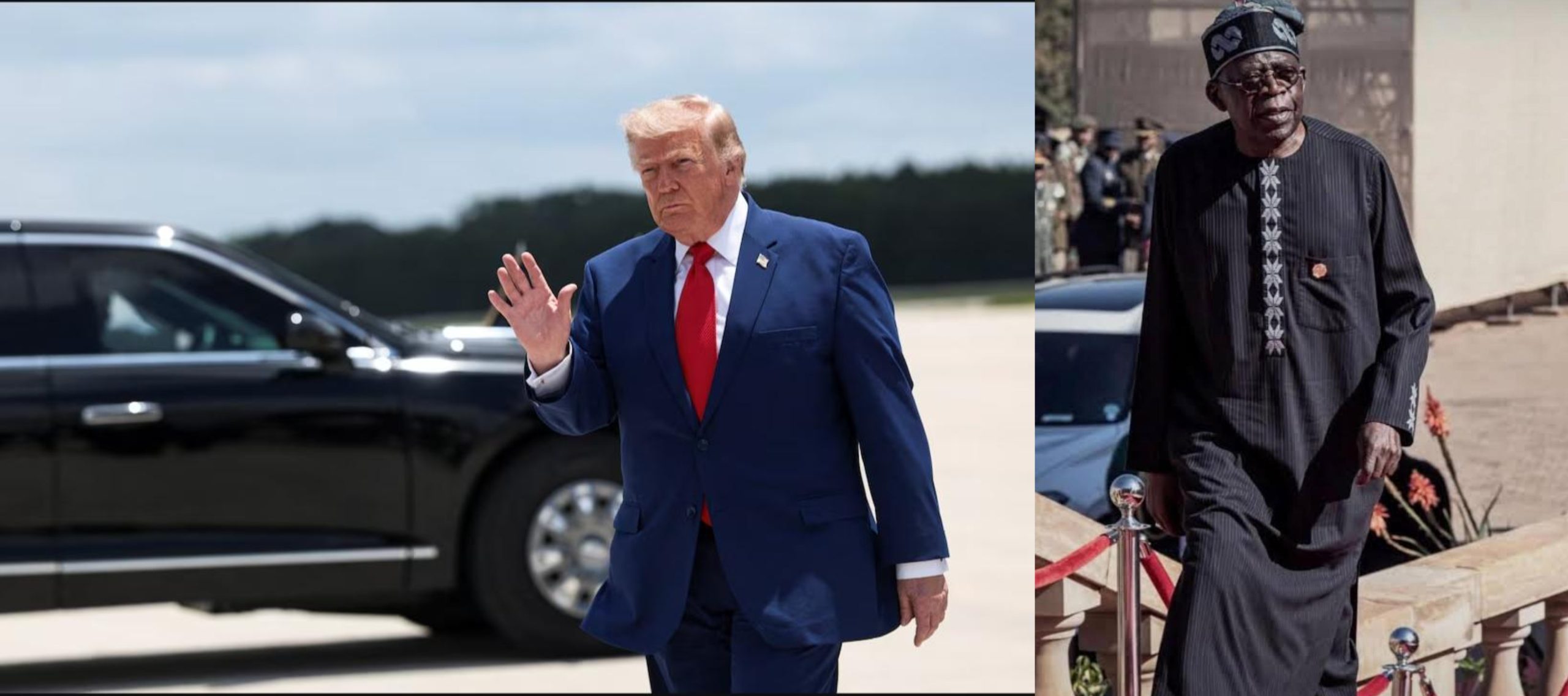
    President Bola Ahmed Tinubu confirmed the strike on Saturday, stating that Nigerian Armed Forces worked “closely with the Armed Forces of the United States” to target the compound of Abu-Bilal Al-Manuki, also known as Abu-Mainok. Early assessments indicate Al-Manuki, identified as a senior leader within IS/ISWAP, was killed along with multiple operatives during the raid.

    In a statement personally signed, Tinubu described the operation as “a significant example of effective collaboration in the fight against terrorism” and thanked President Donald Trump for what he called “leadership and unwavering support”. He commended personnel from both sides for their professionalism and said he looked forward to “more decisive strikes against all terrorist enclaves across the nation”.

    According to US and Nigerian officials, Al-Manuki was viewed as a key figure in ISWAP’s organizational and financial operations. He had been plotting attacks against the United States and its interests, an official told the South China Morning Post on condition of anonymity. Trump referred to him as the second-in-command of ISIS globally in his own post announcing the strike.

    Born in Borno State in 1982, Al-Manuki took over leadership of the IS branch in West Africa after the death of Mamman Nur in 2018, according to the Counter Extremism Project. He had been sanctioned by the US Treasury in 2023 and was believed to have fought in Libya during ISIS’s earlier North African campaigns.

    Nigerian officials said the strike hit his compound in the Lake Chad Basin, a region that has served as a refuge and staging ground for ISWAP due to its islands, swamps, and porous borders.

    The strike comes after months of increased US-Nigeria security engagement. In February 2026, about 100 US personnel arrived in Nigeria to provide intelligence fusion, surveillance, and reconnaissance capabilities to Nigerian forces. Officials described the deployment as focused on enabling Nigerian-led operations rather than replacing them.

    That shift followed US airstrikes in Sokoto in December 2025 targeting IS-linked militants. Those strikes, conducted with support from surveillance flights launched from Ghana and naval assets in the Gulf of Guinea, were described by security sources as part of a 24-hour ISR loop linking US and Nigerian intelligence commands.

    The December operation neutralized a major terrorist build-up in Sokoto and disrupted foreign-linked cells associated with groups like Lakurawa, which were reportedly mobilizing fighters from Burkina Faso and Mali.

    ISWAP has intensified attacks on military outposts across the Lake Chad region in 2026, a campaign it calls “Camp Holocaust”. Research from the Institute for Security Studies shows at least 15 confirmed attacks this year on isolated, under-resourced bases in Nigeria, Cameroon, and Chad.

    Many of these outposts are located in border zones with poor roads and limited reinforcement options, making them vulnerable to fast-moving assaults using light weapons, nighttime raids, and modified commercial drones. Defectors have told researchers that ISWAP’s tactics have been bolstered by at least six trainers from the Middle East deployed by Islamic State.

    The group has also adapted to Nigerian airstrikes by digging bunkers on Lake Chad’s islands where fighters live with their families to avoid detection. Despite these adaptations, Nigerian forces have continued to target ISWAP positions with air power, particularly in hard-to-reach dry land areas.

    The operation underscores a deepening security partnership between Abuja and Washington that has moved beyond symbolic engagements. Meetings between Nigerian service chiefs and US Africa Command officials in Rome and Abuja have increasingly centered on coordination frameworks, intelligence sharing, and operational integration.

    A US-Nigeria Joint Working Group was established following high-level talks in Washington, with National Security Adviser Nuhu Ribadu leading the Nigerian delegation. The group’s mandate includes counterterrorism cooperation, regional stability, and addressing threats posed by Boko Haram and ISWAP.

    Analysts note that the partnership reflects a shift in US strategy from episodic strikes to institutionalizing coordination with Nigerian forces. Al Jazeera described it as Nigeria turning Trump’s earlier threats into a working military partnership.

    Tinubu’s statement signaled that both governments expect more joint actions. “I look forward to more decisive strikes against all terrorist enclaves across the nation,” he said.

    For Nigeria, the challenge remains the overstretched military, understaffed outposts, and the vast, ungoverned terrain of the Lake Chad Basin that gives ISWAP operational flexibility. For the US, the focus appears to be on sustaining intelligence and ISR support while avoiding permanent basing or direct combat roles.

    The elimination of Al-Manuki removes a senior figure from ISWAP’s leadership structure, but regional security experts caution that the group’s decentralized network and external support channels mean the threat persists.

    What’s clear is that the Lake Chad Basin remains a focal point for counterterrorism cooperation between Nigeria and the United States, and both sides appear prepared to scale that cooperation in the months ahead.