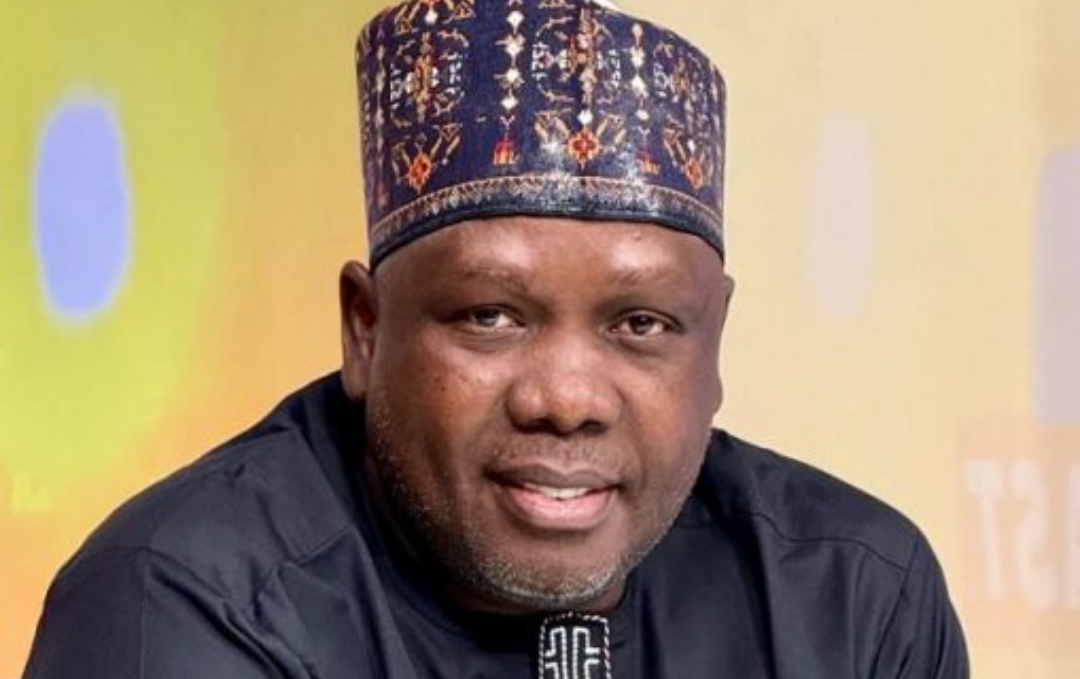
Daniel Bwala Defends Past Remarks On Tinubu, Says Focus Should Be On Governance
Daniel Bwala, Special Adviser to President Bola Ahmed Tinubu on Media and Policy Communication, has defended the critical remarks he made about the President before joining the current administration, insisting they should no longer dominate public discourse because circumstances have changed.
Speaking during an interview on Politics Today on Channels Television, Bwala responded to questions about his previous comments on Tinubu, saying it was time to move beyond old political arguments and focus on the issues that directly affect Nigerians.
According to him, repeatedly bringing up his past statements serves little purpose when the country is facing pressing economic and security challenges. He argued that citizens are more concerned about governance, job creation, education, and public safety than political disagreements from previous years.
During the interview, Bwala expressed frustration over being asked the same questions about his former position on several occasions. He noted that while he had made those comments in a different political context, they no longer reflected the realities of his current role in government.
He said his earlier remarks should not be interpreted as falsehoods but rather as opinions that have become irrelevant in light of present circumstances. According to Bwala, describing those comments as “baseless” does not mean they were lies, but that they are no longer important to ongoing national conversations.
The presidential aide also used the opportunity to defend the Tinubu administration’s performance, particularly in the area of security. He said the government has improved cooperation among security agencies, describing the level of collaboration as one of the administration’s major achievements.
Bwala maintained that Nigerians deserve discussions centred on policies and measurable progress instead of constant debates over politicians’ past statements. He argued that governance should be judged by current actions and results rather than historical political exchanges.
The interview became more intense when the programme’s anchor questioned whether calling his previous comments “baseless” amounted to admitting they were inaccurate. Bwala rejected that interpretation, insisting there is a clear difference between something being unimportant and being untrue.
He further suggested that political realignments are common in Nigeria and that many politicians have changed positions or party affiliations over time. According to him, such changes should not overshadow conversations about national development and government performance.
Bwala also criticised what he described as an excessive focus on opposition narratives, arguing that media discussions should pay greater attention to policies that impact the lives of ordinary Nigerians.
His remarks have sparked fresh debate online, with supporters saying politicians are entitled to change their views as circumstances evolve, while critics insist public officials should remain accountable for statements made before assuming office.
The comments add to ongoing discussions surrounding political loyalty, accountability, and the evolving nature of Nigerian politics, where shifting alliances and changing positions have become increasingly common. Bwala, however, maintains that the country’s attention should now be directed toward governance, economic reforms, and security rather than revisiting old political disagreements.